Common Stinging Insects That Invade Homes
To effectively handle common stinging insects that invade homes, local contractors can provide expert removal and prevention services to keep your property safe.
If you've recently noticed stinging insects around your home, you're not alone. Common stinging insects that invade homes, such as wasps, hornets, and yellow jackets, can become a nuisance or even pose a risk to anyone allergic to their stings. Property owners in the area often seek practical solutions to manage these pests, especially when nests are located near entry points or outdoor living spaces. Understanding which insects are most likely to invade and how they behave can help homeowners take informed steps toward protection and peace of mind.
Local service providers specializing in stinging insect control are equipped to handle these common invaders effectively. Whether it’s removing a nest or implementing preventative measures, these professionals can help reduce the chances of future invasions. Exploring options for stinging insect control can be a helpful step toward maintaining a safe and comfortable home environment, encouraging property owners to learn more about how local contractors can assist with these common pests.
- Common stinging insects that invade homes - homeowners noticing persistent buzzing or nests in eaves and attics can rely on local contractors to safely remove and control these pests.
- In cases where stinging insects build nests near entry points, local pros assess the situation and implement targeted removal strategies to prevent further invasions.
- When aggressive stinging insects threaten family safety, service providers can identify the species and apply appropriate treatments to eliminate the colony.
- For infestations involving multiple nests or hard-to-reach areas, local contractors utilize specialized equipment to effectively handle the problem.
- If stinging insects are causing damage or creating hazards around the home, local pros offer inspection and treatment services to address the issue thoroughly.
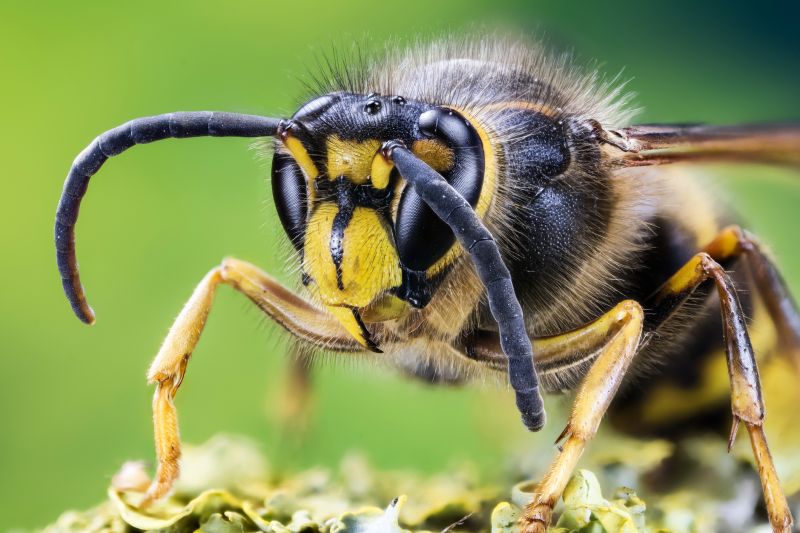
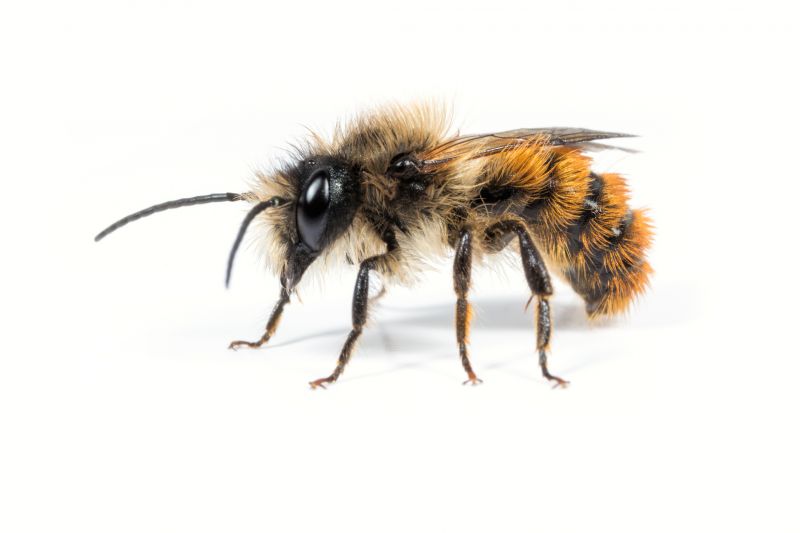
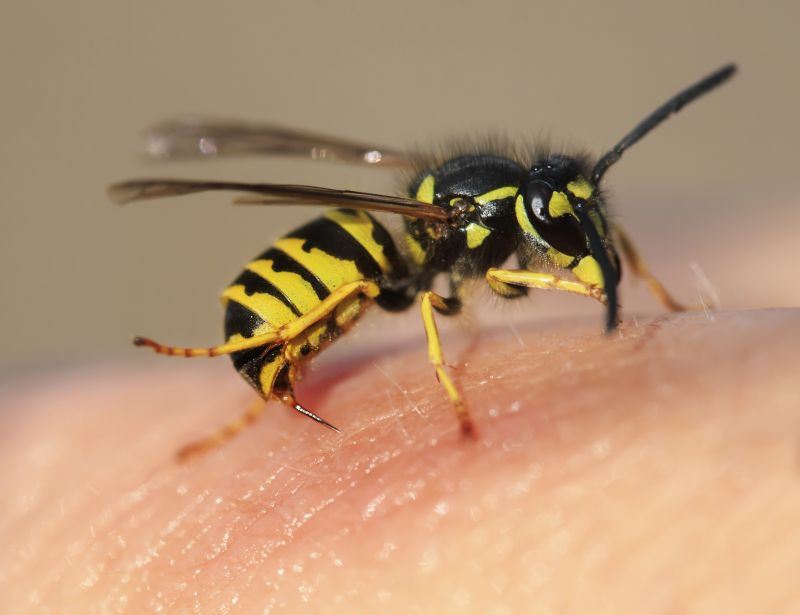
When searching for information about common stinging insects that invade homes, homeowners often want to understand which insects pose the most frequent problems and how to identify their presence. These searches typically relate to concerns about safety, property damage, and preventing unwanted insect colonies from establishing inside or around the home. Many people are looking for practical advice on recognizing the signs of an infestation, such as visible nests or increased insect activity, and understanding the risks associated with these pests. This topic is closely connected to plans for pest prevention, removal, and ongoing maintenance to keep homes safe and insect-free.
The problems associated with common stinging insects that invade homes often involve the potential for painful stings, allergic reactions, and the disruption of daily life. Insect invasions tend to occur during warmer months when colonies expand and seek shelter in protected areas. Homeowners may notice buzzing sounds, swarming insects near entry points, or nests hidden in eaves, wall voids, or attic spaces. Addressing these issues usually requires a strategic approach, which can include removing nests, sealing entry points, and applying targeted treatments. Local service providers who specialize in stinging insect control are equipped to handle these situations safely and effectively, helping to reduce the risk of stings and prevent future invasions.
Certain types of properties are more prone to invasions by common stinging insects that invade homes. These typically include residential houses, especially those with overhanging roofs, gaps in siding, or poorly sealed windows and doors. Attics, sheds, and garages are also common sites where nests can form undetected. Properties with nearby trees, shrubs, or compost piles may attract insects seeking shelter or food sources. Understanding the specific features of a property can help homeowners identify vulnerable areas and work with local contractors to implement preventive measures. Professionals can assess the property’s structure and recommend targeted treatments or modifications that reduce the likelihood of future invasions.
Recognizing the connection between property types and common stinging insects that invade homes highlights the importance of professional pest control services. Local contractors experienced in stinging insect removal can provide tailored solutions based on the property’s layout and the specific insects involved. They can safely remove nests, treat problem areas, and advise on modifications to prevent future invasions. For homeowners facing recurring issues, these experts are a valuable resource for developing an effective, long-term plan to keep their homes safe and insect-free. Connecting with local pros ensures that the problem is handled efficiently, reducing the risk of painful stings and property damage caused by these invasive insects.
Pest Inspection Services - professionals who assess property for insect activity and nesting sites, similar to identifying potential stinging insect habitats in homes.
Wildlife Exclusion Projects - work that involves sealing entry points to prevent insects and small pests from invading living spaces, related to controlling stinging insect access points.
Yard and Perimeter Treatments - treatments applied around homes to reduce insect populations, which complements efforts to manage common stinging insects that invade homes.
Insect Barrier Installation - setting up physical barriers to keep insects out of structures, a skill applicable to preventing stinging insects from entering homes.
Nest Removal Services - specialized work in safely removing insect nests from around properties, directly related to managing stinging insect colonies near homes.
Home Maintenance and Repair - services that address structural vulnerabilities, helping to eliminate entry points for common stinging insects that invade homes.

When comparing service providers for stinging insects control, it is important to consider their experience with similar projects involving common stinging insects that invade homes. A contractor’s familiarity with these specific pests can indicate their ability to identify the problem accurately and implement effective treatment strategies. Homeowners should inquire about the types of infestations they have handled in the past and whether they have experience dealing with the particular insects that pose a concern in their area. This background can help ensure that the chosen contractor understands the unique behaviors and nesting habits of these insects, leading to more efficient and targeted solutions.
Clear written expectations are essential when choosing a local contractor for stinging insects control. A reputable service provider should be able to provide detailed information about the scope of work, methods used, and any follow-up procedures. Homeowners are encouraged to ask for a written outline of what the service will include, what areas will be treated, and what results they can reasonably expect. Having these details in writing helps prevent misunderstandings and ensures that both parties are aligned on the work to be performed, making the process smoother and more transparent.
Reputable references and good communication are key factors in selecting a reliable local contractor. Pros with positive references from previous clients demonstrate a track record of satisfied customers and effective pest management. It is beneficial to ask for references or reviews that speak specifically to their experience with stinging insects that invade homes. Additionally, a contractor’s willingness to answer questions clearly and provide ongoing updates throughout the project reflects their professionalism and commitment to customer service. Effective communication helps homeowners feel confident in the process and ensures that any concerns or questions are addressed promptly.
Property owners often search for common stinging insects that invade homes when they are planning practical projects around their homes and businesses. Local pros provide Stinging Insects Control services for everyday jobs and straightforward project options.
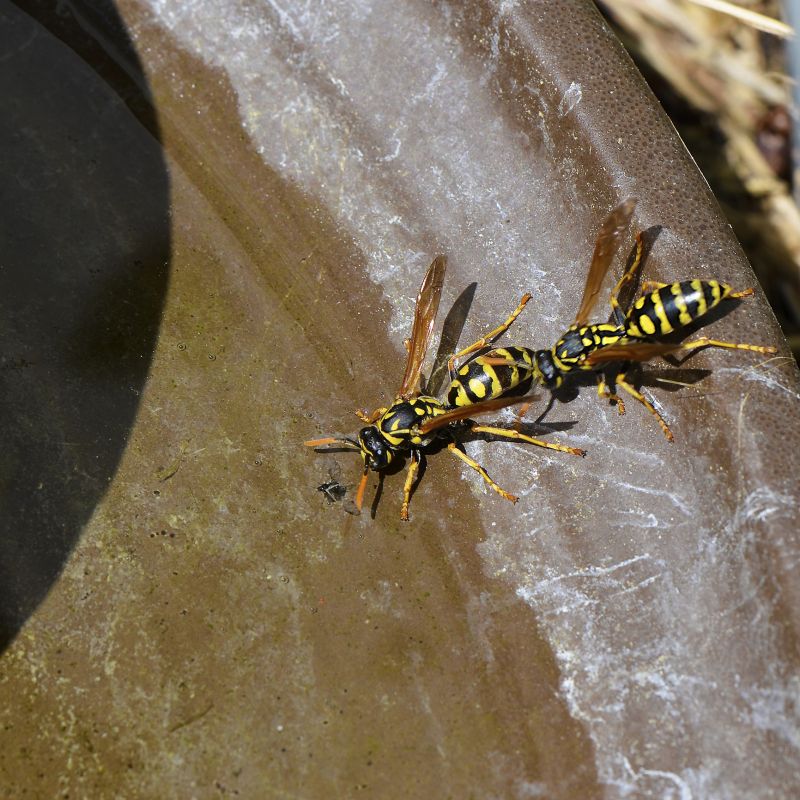
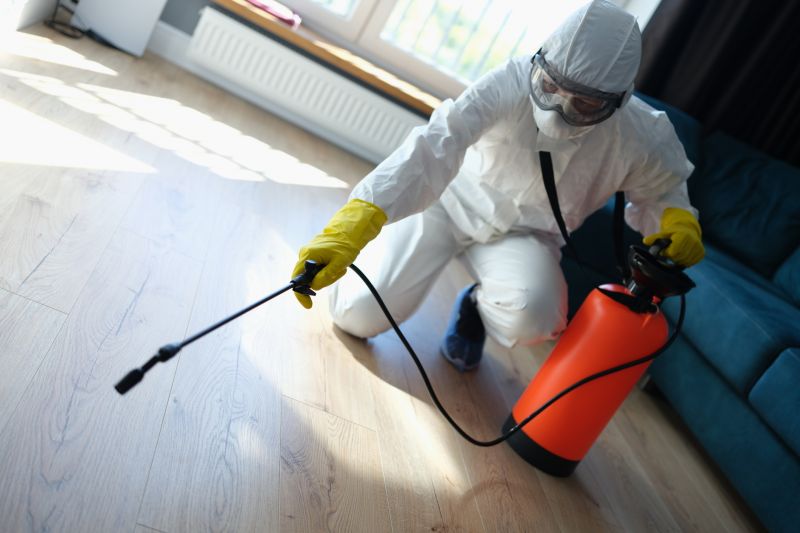
Homeowners in the area often encounter common stinging insects that invade homes, especially during warmer months when these pests become more active. These insects, such as wasps, hornets, and yellow jackets, tend to build nests around eaves, attics, and other sheltered locations, making it essential to address infestations promptly. When these insects establish colonies close to living spaces, property owners may seek out local contractors who specialize in stinging insects control to safely remove nests and prevent future invasions.
Many property owners look into stinging insects control services after noticing increased activity around their homes or experiencing painful stings. These insects can pose a safety concern for families, pets, and anyone spending time outdoors. Connecting with experienced local service providers ensures that infestations are handled effectively and safely, reducing the risk of stings and preventing recurring problems. Professional pest control experts can assess the situation and recommend appropriate measures to keep homes protected from common stinging insects that invade residential properties.
What are the most common stinging insects that invade homes? The most common stinging insects that invade homes include wasps, hornets, and yellow jackets, which often seek shelter indoors or around entry points.
Why do these insects tend to invade homes? These insects may invade homes in search of shelter, food sources such as sweet foods or proteins, or to establish nesting sites near human activity.
How can local contractors help with stinging insect invasions? Local contractors can identify and remove nests, treat entry points, and implement preventive measures to reduce the chances of future invasions.
Are there specific signs that indicate a stinging insect infestation inside a home? Signs include visible nests near eaves or walls, increased insect activity around windows or doors, and stinging insect sightings indoors or in the immediate vicinity.
What steps should be taken if a stinging insect nest is found inside or near a home? It is advisable to have a professional pest control service evaluate the situation and safely remove or treat the nest to prevent stings and further invasions.
Identify nesting sites - property owners can inspect their homes to locate potential nesting areas and seek advice from local contractors on effective removal methods.
Seal entry points - sealing gaps and cracks around windows, doors, and eaves can prevent common stinging insects that invade homes from entering indoor spaces, with guidance from local service providers.
Remove attractants - clearing away food sources, sugary drinks, and trash can reduce attractants for stinging insects, and local pros can assist with pest-proofing strategies.
Schedule regular inspections - routine checks around the home can help detect early signs of infestation, enabling local contractors to implement timely control measures.
If you are thinking about common stinging insects that invade homes for a property, this guide is meant to help you understand this topic, the typical project types, and how different options might fit your plans.
When you are ready, you can use the quote form on this page to share a few details about your project. From there, local pros can review the basics and follow up with options that match what you have in mind.